A new rule has come to high school basketball, and with it comes the departure of a long-standing staple of the game.
The rule, which is being implemented at the high school level, eliminates the 1-and-1 free throw situation. All bonus fouls will automatically be two shots, implemented on the fifth foul of each quarter.
Team fouls will reset after each quarter, but the individual limit remains the same at five per player.
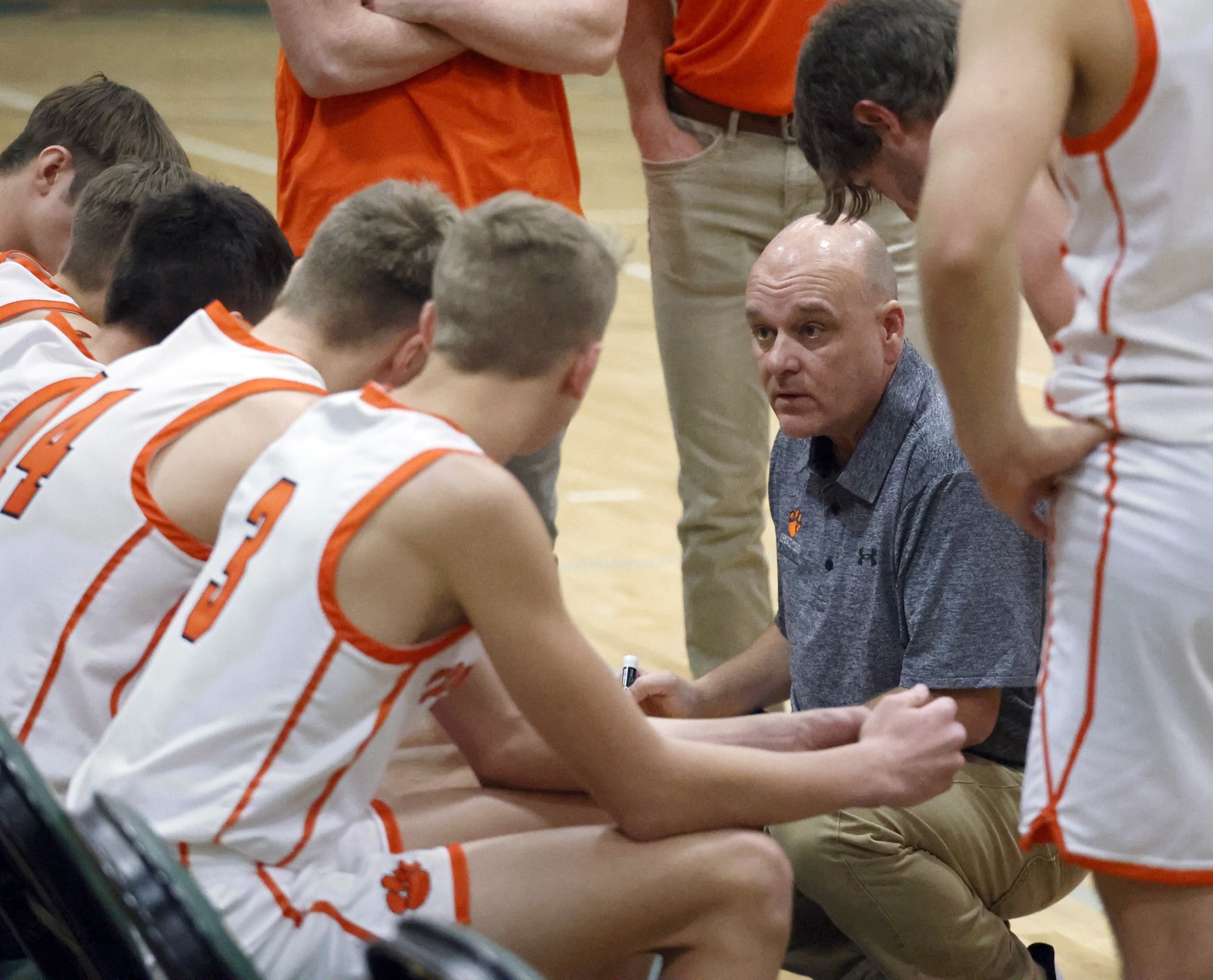
Ipswich boys’ basketball coach Stew Bohle said the idea behind the change was, in part, to help with the flow of the game.

“I do like the fact that it does start over at the end of every quarter,” he said. “If you get in a hole early in a quarter and get a couple calls against you, you have that chance to reset.”
Previously, in that situation, other teams may have been shooting free throws the whole second quarter, whether a 1-and-1 or a double-bonus, 2-shot foul.
“In the past, you were punished for a whole half,” said Redfield girls’ coach Tommy Gregg. “Now it resets at the quarter.”
However, with the bonus coming sooner in each quarter – on the fifth foul instead of the seventh – and being an automatic 2-attempt affair, the advantage may play into an offensively-minded team prone to drive the ball into the lane.
“You get into a bonus situation and it’s not just a bonus, it’s a double bonus earlier and quicker,” Gregg said. “If you’re an aggressive team, that can play into your hand.”
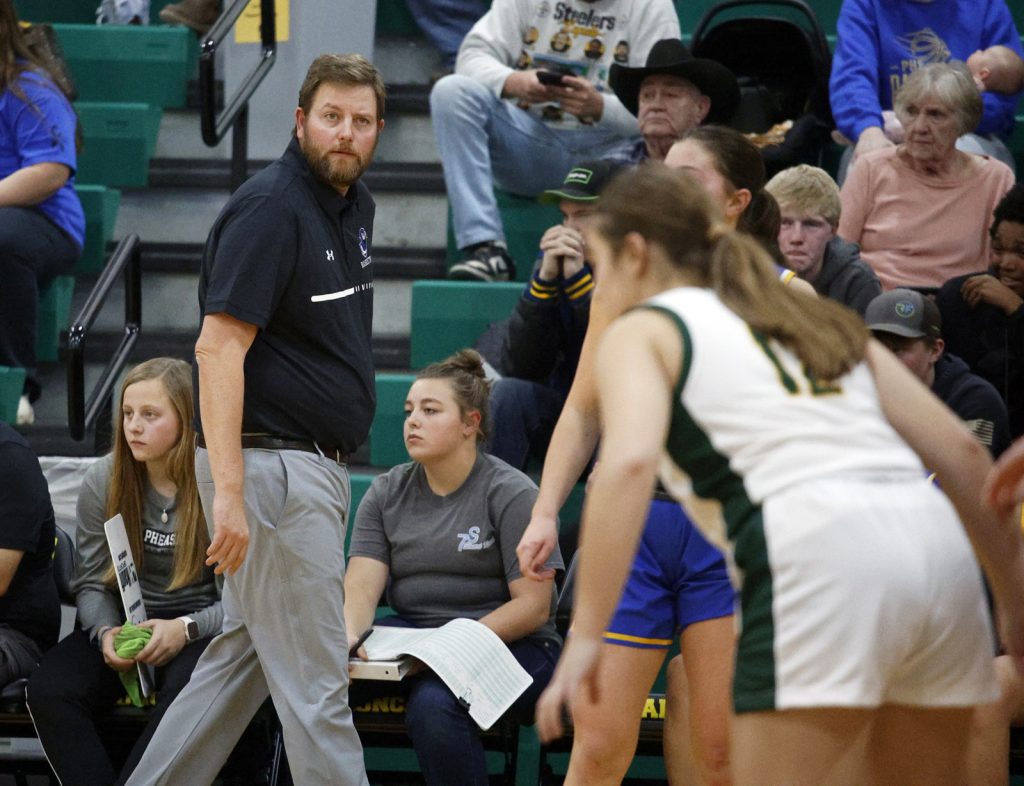
Both coaches acknowledged that the rule’s impact on the game remains to be seen, as does each one’s approach.
“It seems like it may become a more important factor to become a good free throw shooting team because you get two shots every time now,” Bohle said.
For Gregg, his coaching philosophy remains relatively unchanged.
“We’re just focused on trying to go out there and play good basketball and not fouling,” he said. “We’ll cross that bridge when we get there.”
Still, both coaches gave a nod to late-game situations where, historically, fouling has been used as a means of stopping the clock when a team is playing from behind.
“Is strategy going to change down the stretch?” Bohle said. “I don’t know yet.”
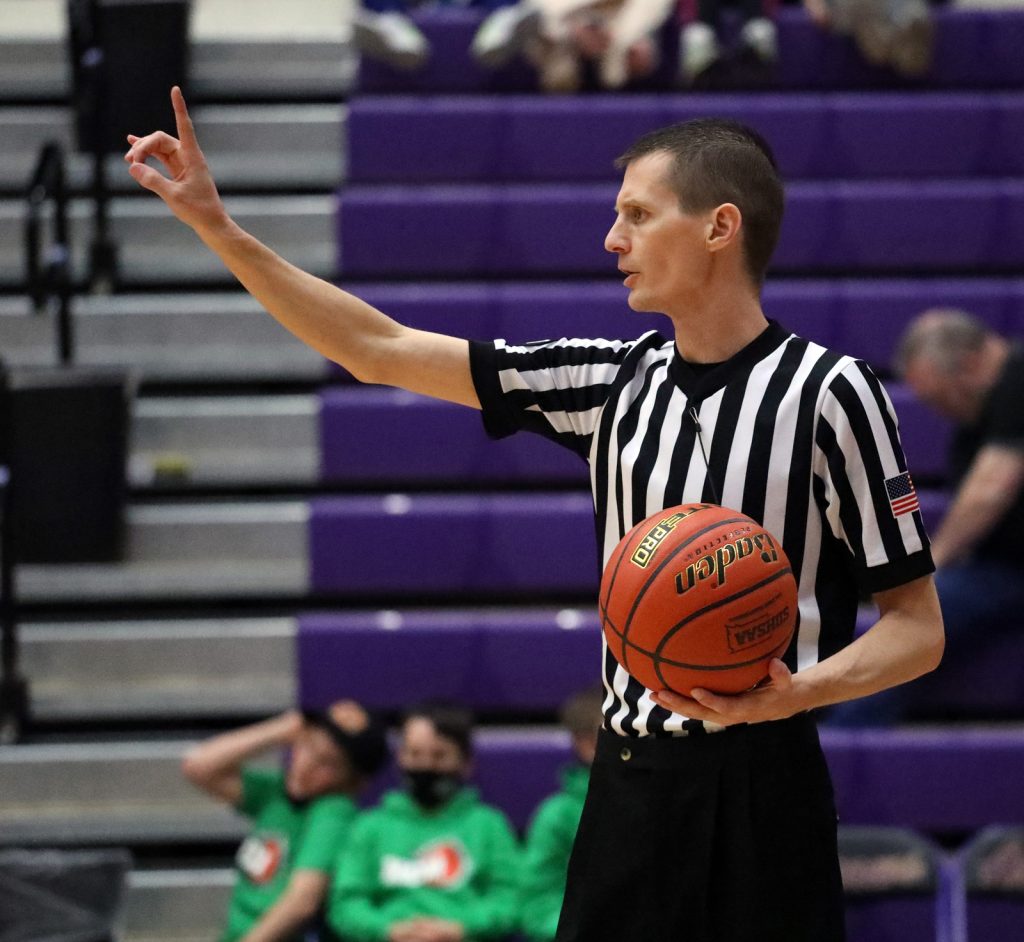
Bohle said from a scouting standpoint, it would behoove coaching staffs to be able to identify weaker free throw shooters since the 1-and-done on a miss is now eliminated.
Gregg echoed those sentiments.
“Now, they for sure get two, so you’ve really got to find a poor free throw shooter out there on the other team,” he said.
But in situations where the score isn’t close enough to warrant that strategy, the effect of the new rule is likely limited.
“We’ll take it game by game early on and maybe see how other people play it,” Gregg said, adding that his focus remains on getting his kids to play fundamentally sound basketball.
“Kids adapt,” he said. “The bigger deal we make out of it, the bigger deal they make out of it.”